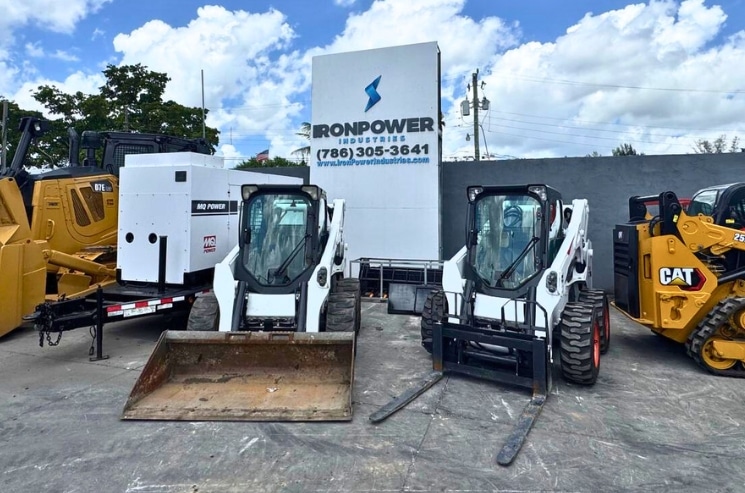
Purchasing a used Bobcat skid steer loader can be a smart move for contractors, landscapers, or construction companies looking to expand their fleet without the high upfront cost of new equipment. However, not every used machine offers the same value. Before buying a used Bobcat, you must carefully inspect critical components, verify documentation, and understand common pitfalls to avoid costly mistakes.
In this in-depth guide, we’ll cover everything you need to know—from what to inspect, to where to buy safely, and how to keep your machine running strong for years to come.
Why Choose a Used Bobcat?
Bobcat has become a household name in the construction industry thanks to its durability, versatility, and reliability. Still, new equipment often comes with long delivery times and high investment. That’s where the used Bobcat market comes into play.
Key Benefits of Buying Used
- Lower investment cost compared to brand-new models.
- Immediate availability with no waiting months for delivery.
- Wider variety of models across different years and specifications.
- Slower depreciation, helping protect your investment.
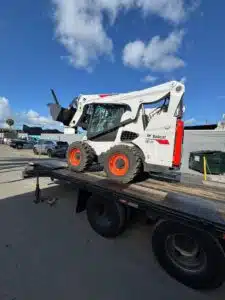
Explore our full range of pre-owned skid steer loaders, including top-tier Bobcat and Caterpillar models.
What to Check Before Buying a Used Bobcat
1. Overall Visual Condition
Start with a visual inspection of the machine. A well-maintained exterior often reflects good ownership practices:
- Look for cracks, rust, or poorly done welds on the frame and lift arms.
- Check paint quality—overspray may hide recent damage or quick fixes.
- Ensure the frame is solid with no signs of twisting.
2. Engine Performance
The engine is the heart of any skid steer loader. Before buying:
- Perform a cold start test: the engine should fire up smoothly without hesitation.
- Watch for excessive smoke (white, blue, or black smoke can indicate internal issues).
- Inspect for oil or hydraulic leaks around the engine block and undercarriage.
3. Hydraulic System
Bobcat loaders rely heavily on their hydraulics to lift and power attachments:
- Operate the arms and bucket—movements should be smooth and responsive.
- Listen for unusual whining noises that may indicate hydraulic pump issues.
- Check all hydraulic hoses, cylinders, and seals for visible leaks or excessive wear.
4. Operating Hours vs. Maintenance
Hours matter, but a solid maintenance history matters more.
- Under 2,000 hours: Generally considered excellent condition.
- 2,000–4,000 hours: Acceptable and reliable if well-maintained.
- 5,000+ hours: Higher risk of major repairs unless the engine and pumps were fully serviced or rebuilt.
5. Tires or Rubber Tracks
Depending on whether you are looking at a wheeled or compact track loader (CTL):
- Tires: Look for uneven wear, which could suggest alignment issues or aggressive operation on hard surfaces.
- Rubber tracks: Inspect for deep cracks, tears, exposed steel cables, or missing lugs.
Note: Replacement costs for tracks and tires can be significant, so factor them into your purchasing budget.
6. Attachments and Compatibility
One of the biggest advantages of Bobcat loaders is their versatile attachment system. Ensure that:
- The auxiliary hydraulic couplers are clean and working properly.
- The quick-attach system (Bob-Tach) engages and disengages securely.
👉 Browse our available skid steer attachments to maximize your machine’s productivity on day one.
7. Cab and Operator Comfort
Safety and comfort directly impact operator efficiency:
- Controls (joysticks or hand/foot) should be responsive and smooth, not stiff.
- Check the condition of the seat, safety bar, and seatbelt.
- Ensure the heating and A/C (if equipped with an enclosed cab) function properly.
8. Documentation and Legal Records
Never finalize a purchase without checking the paperwork:
- Ask for the service and maintenance history.
- Verify proof of ownership and check the serial number (PIN).
- Ensure there are no liens, loans, or pending legal issues attached to the equipment.
Common Mistakes to Avoid
Even experienced buyers make errors. Avoid these common pitfalls to secure a Bobcat that performs as expected:
- Buying based on price alone while ignoring the machine’s actual condition.
- Skipping a live operational test under load.
- Draining your cash reserves instead of exploring flexible heavy equipment financing programs.
- Forgetting to factor in transportation and immediate maintenance costs.
Where to Buy a Used Bobcat Safely
Your choice of seller makes all the difference. Always prioritize trusted sources such as:
- Authorized dealers that provide certified inspections.
- Reputable heavy equipment suppliers with a proven track record.
👉 View our current inventory of second-hand Bobcat skid steers—all machines are rigorously inspected and ready to work.
Negotiation Tips Before Closing the Deal
- Request a live demonstration: Test the hydraulics, engine, and attachments yourself.
- Ask for warranty options: See if the seller offers any limited guarantee on major components.
- Discuss transportation logistics: Clarify delivery methods and costs upfront to avoid surprises.
Maintenance After Purchase
A proactive maintenance plan keeps your used Bobcat productive and profitable. Be sure to perform routine Bobcat skid steer fluid maintenance, inspect hydraulic fluids every 500 hours, and grease all pivot points weekly.
👉 Rely on our compact loader maintenance experts to keep your machine in top condition.
Final Thoughts
A used Bobcat skid steer loader can be an excellent investment when you know exactly what to check. Inspect carefully, review the service history, and always buy from a trusted seller.
At IronPower Industries, we offer used equipment in excellent condition, backed by expert guidance and ongoing support. Ready to invest in a Bobcat that boosts your productivity?
- Browse our Bobcat equipment inventory
- Call us directly at +1 (305) 339-7019
- Request a free quote via our Contact Page