Oil changes for your Bobcat skid steer loader are essential for ensuring it operates efficiently and has a long lifespan. Engine oil serves as the lifeblood of your machine, reducing friction, preventing overheating, and protecting engine components from wear.
In this post, we’ll cover why oil changes are so important, how often they should be done, signs your oil needs to be replaced, and how to perform an oil change on your Bobcat skid steer.
Why Are Oil Changes Important for Bobcat Skid Steers?
Engine oil plays a critical role in keeping your Bobcat skid steer running smoothly. It lubricates the engine’s moving parts, reducing friction and wear, which allows the engine to operate at peak efficiency. Over time, however, engine oil degrades. Contaminants such as dirt, metal shavings, and dust can enter the oil and reduce its effectiveness.
Regular oil changes ensure that the engine oil is clean and effective. Skipping or delaying this maintenance can result in serious problems, such as reduced fuel efficiency, sluggish performance, and costly repairs due to engine damage.
How Often Should You Change the Oil in a Bobcat Skid Steer?
The frequency of oil changes depends on how often and in what conditions the machine is used. For most Bobcat skid steer loaders, it is recommended to change the oil every 250 to 500 hours of operation. However, if you are operating in extreme conditions—such as very dusty, dirty, or hot environments—you may need to change the oil more frequently.
It’s important to check your machine’s owner’s manual for the specific oil change interval. If your equipment experiences heavy usage, performing oil changes on the more frequent end of the spectrum can prevent potential engine issues.
Signs That Your Bobcat Skid Steer Needs an Oil Change
Even if you are keeping track of the hours of operation, there are several signs that indicate your machine may need an oil change sooner than expected:
- Dark or dirty oil: Fresh engine oil is typically amber in color. If you notice that the oil has turned dark or is dirty when checking the dipstick, it’s a sign that the oil needs to be replaced.
- Loud engine noises: When oil loses its lubricating properties, the engine components may start to rub against each other, resulting in knocking or ticking noises.
- Sluggish performance: If your skid steer is not performing as powerfully as it used to, it could be due to old or degraded oil.
- Oil warning light: If this light comes on your dash, it’s a clear sign that you need to check your oil level immediately.
How to Perform an Oil Change on a Bobcat Skid Steer
Performing an oil change is a relatively straightforward process, but it requires some basic mechanical knowledge. Below is a general step-by-step guide.
Tools and Materials Needed:
- Fresh engine oil (refer to the owner’s manual for the correct type)
- Oil filter (always use original replacement parts)
- Wrench set
- Oil pan or container for catching used oil
- Funnel and clean rags
Steps to Change the Oil:
- Warm up the engine: Start the skid steer and let it run for a few minutes to thin the oil, making it easier to drain.
- Locate the oil drain plug: Place the oil pan underneath the skid steer to catch the used oil. Remove the plug using a wrench.
- Drain the oil: Allow the oil to drain completely.
- Replace the oil filter: Remove the old filter using an oil filter wrench. Install the new filter by hand, making sure to lightly coat the gasket with fresh oil. Ensure you are using high-quality skid steer spare parts for optimal performance.
- Reinstall the drain plug: Replace the drain plug and tighten it securely.
- Refill with fresh oil: Use a funnel to pour the fresh oil into the engine through the oil fill cap.
- Check the oil level: Use the dipstick to verify the proper level.
- Start the engine and check for leaks: Let it run for a few minutes to circulate the new oil. Check underneath for leaks.
- Dispose of used oil properly: Recycle the used oil and old filter in accordance with local regulations.
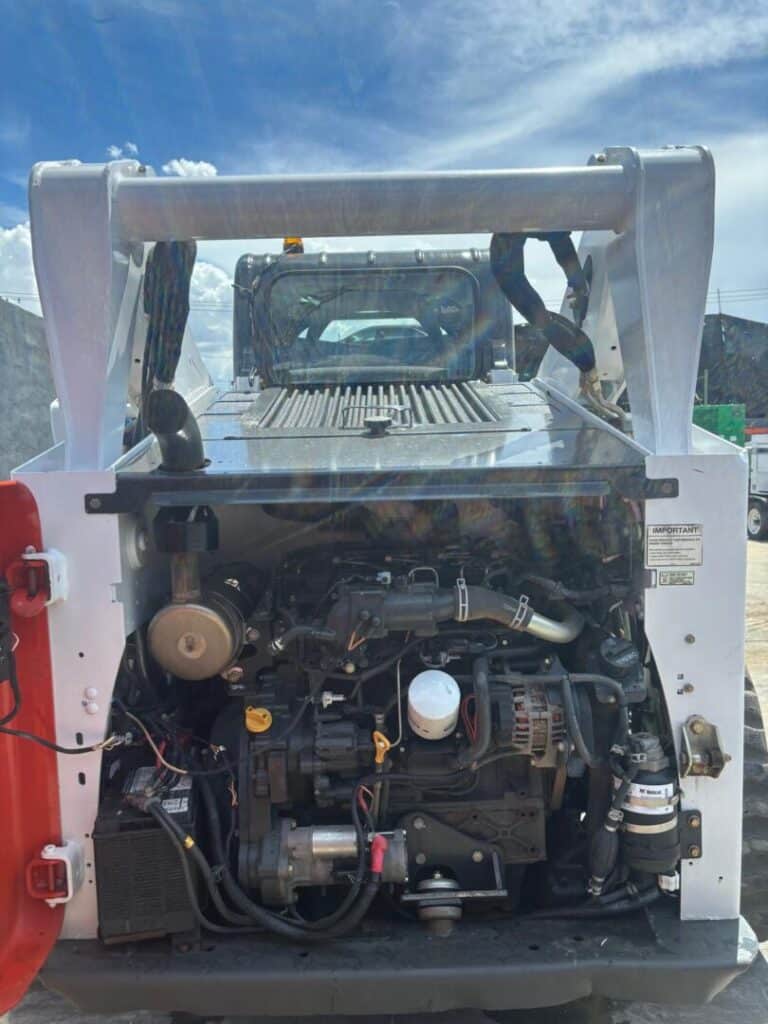
The Importance of Using Original Replacement Parts
When performing maintenance, always use original replacement parts, such as oil filters and other components. These parts are specifically designed to work with your machine, ensuring compatibility. Using non-original parts may result in improper fitting, reduced performance, and even damage to your machine.
Conclusion: Keep Your Bobcat Skid Steer Running Smoothly
By following the recommended oil change schedule and using original replacement parts, you can ensure that your machine runs smoothly for years to come. Whether you choose to perform the oil change yourself or take it to a professional, routine maintenance will save you time, money, and headaches.
Need professional help? Keep your equipment running smoothly and safely. Contact our expert technicians at IronPower Industries today for Skid Steer Service & Repair!
Follow us on Instagram @ironpowerindustries for more maintenance tips and inventory updates.